Have you ever bought something online because a friend sent you a link? Or clicked on a discount code shared by someone you follow? That is exactly how referral links work. And for retail and e-commerce brands, they are one of the smartest, most cost-effective ways to grow sales fast.
In a world where people are tired of paid ads and trust is hard to build, word-of-mouth still wins. Referral links take that word-of-mouth and turn it into something you can track, measure, and scale. Whether you are a small online store or a growing retail brand in the UAE, referral marketing can change how you bring in new customers.
A strong Digital Marketing Company understands that trust drives conversions, and referral links turn trust into measurable sales.
Let us walk through everything you need to know, from what referral links actually are to how you can use them to bring in more sales right now.
What Is a Referral Link and How Does It Work
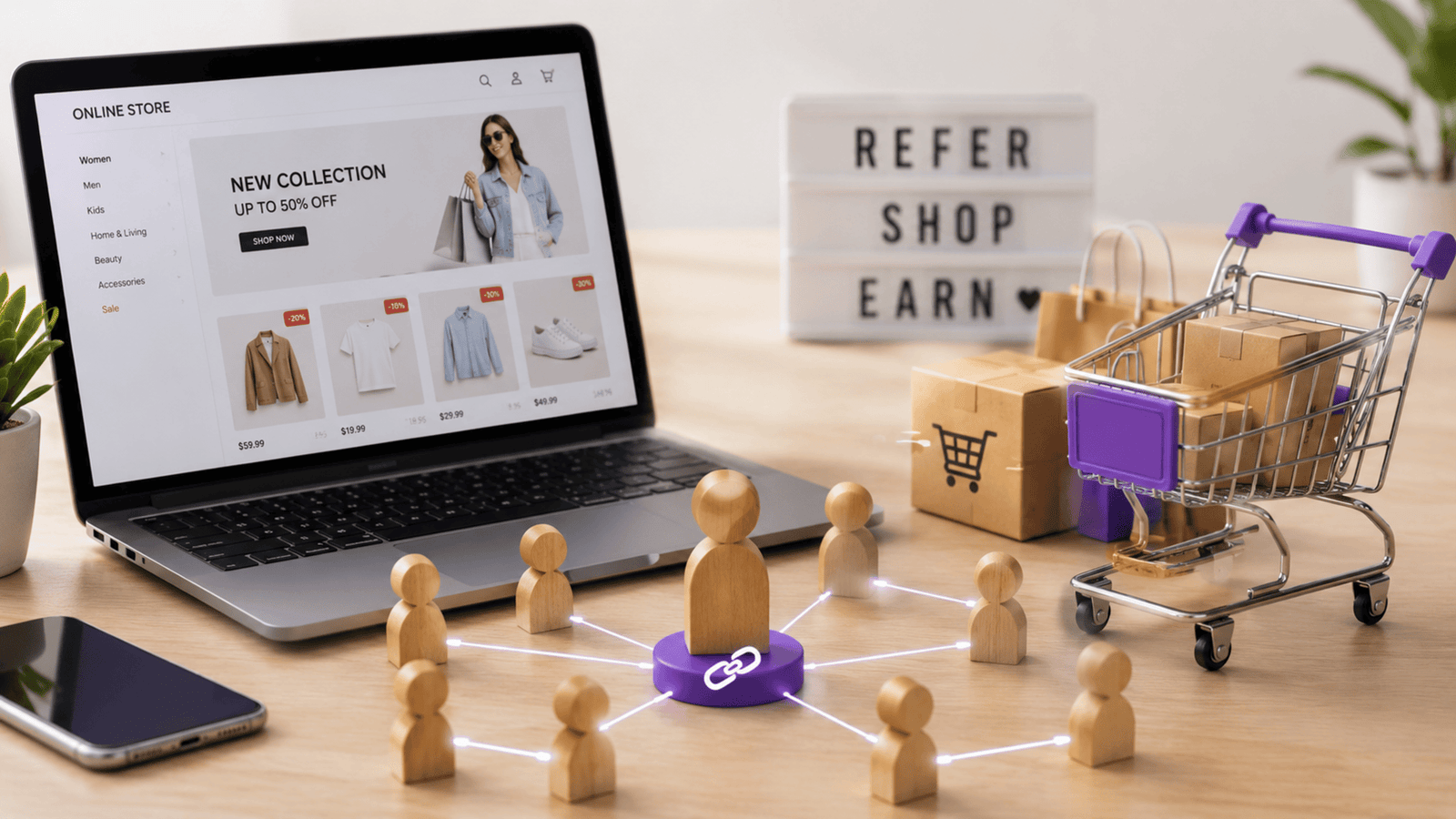
A referral link is a unique URL given to a customer, influencer, or partner. When someone clicks that link and makes a purchase, the original sharer gets a reward. That reward could be a discount, store credit, cash, or a free product.
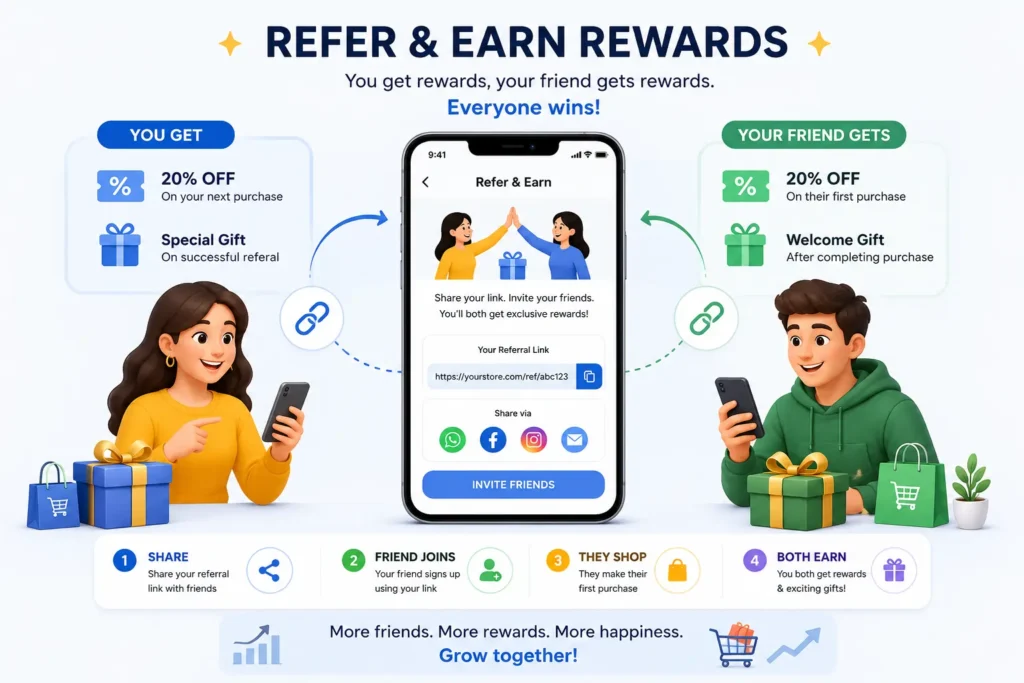
The whole process is simple. A customer loves your product. You give them a link. They share it with friends. Their friends click the link, land on your site, and buy. You track the sale. Everyone wins.
This is called a referral programme, and it is one of the most powerful tools in e-commerce marketing today. It works because people trust recommendations from real humans more than they trust ads from brands.
In fact, according to Nielsen, 92% of consumers trust recommendations from people they know over any type of advertising. That single stat explains why referral links are so valuable for retail and e-commerce growth.
Why Referral Links Work So Well for E-Commerce
Referral marketing works because people trust people, not ads.
Customers coming from referrals already have built-in trust, which increases conversion rates and reduces marketing costs. Instead of spending heavily on PPC campaigns or hiring a PPC agency in the UAE, brands can grow through word-of-mouth powered by technology.
Here is why referral links work so well for online retail brands:
Customers who come through referrals have a higher level of trust before they even land on your site. They were introduced by someone they already know and like. That means they are more likely to complete a purchase, less likely to bounce, and more likely to become repeat buyers themselves.
Referral programmes also reduce your cost per acquisition. Instead of spending large amounts on paid search or social media ads, you let your happy customers do the marketing for you. You only pay when a sale actually happens.
Learn more about how smart retail and e-commerce brands grow online with the right digital strategies.
Getting People to Notice Your Referral Programme
When someone is just learning about your brand, they are at the top of the funnel. They do not know you yet. They are just browsing, comparing, and looking for something that solves their problem.
At this stage, your job is to make your referral programme visible and easy to understand.
Here is how you do that:
Add a referral section to your homepage. Keep the message simple. Something like “Share and save” or “Give your mate a discount, get one yourself.” Clear, friendly language works better than complicated marketing speak.
Use social proof. Show how many people have already joined your referral programme. Show testimonials from customers who have earned rewards. This builds trust early.
Use blog content, social posts, and even your email footer to mention your referral programme. The more places people see it, the more likely they are to engage.
For e-commerce brands running on platforms like Shopify, setting up a referral system is straightforward. If you are looking to build a high-performing store in the region, check out how Shopify Plus works for businesses in the UAE.
Helping Customers Understand the Value
Now the customer knows about your brand. They are thinking about buying. But they are not sure yet. This is where your referral programme can do a lot of heavy lifting.
At this stage, your referral link strategy should focus on showing people exactly what they and their friends will get. Be specific about the reward. “Get AED 50 off your next order when a friend buys” is much more compelling than a vague “earn rewards.”
Many brands also combine referral marketing with social media marketing to boost visibility and engagement.
Make the sharing process easy. Give customers a one-click share option via WhatsApp, email, or Instagram. In the UAE, WhatsApp is one of the most common ways people share links and recommendations. Your referral programme should be built with that in mind.
Include referral prompts in your post-purchase emails. Right after someone buys, they are at peak excitement about your product. That is the best time to ask them to share. A simple “Loved your order? Share this link with a friend and both of you save” can perform remarkably well.
Also, make sure your landing pages are designed to convert. A referred customer who clicks a link should land on a page that feels welcoming, fast, and relevant. If your site has friction, even the best referral programme will underperform. Avoid common pitfalls that hurt your conversion rate by reading about the top e-commerce mistakes brands make.
Turning Referred Visitors Into Paying Customers
A referred visitor has clicked the link. They are on your site. Now your job is to close the sale.
At this stage, a few things matter more than anything else:
First, show the referral discount clearly at the top of the page or in the cart. The visitor clicked that link because they were promised something. If they cannot see the reward right away, they will leave.
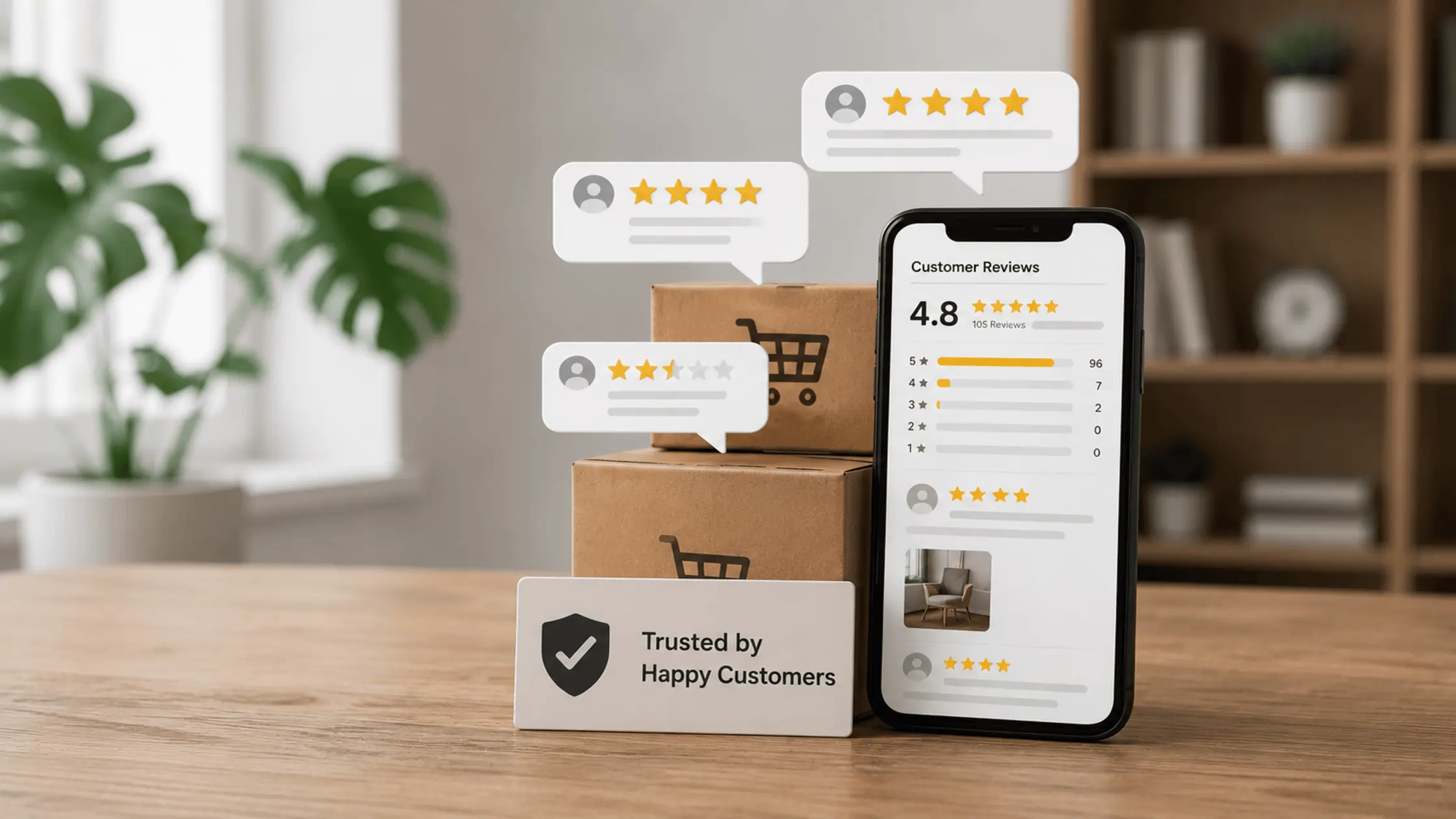
Second, display reviews and ratings prominently. A referred customer already has a base level of trust, but seeing real reviews from real buyers pushes them over the line. Authentic product reviews are one of the strongest conversion signals in e-commerce. Find out how to collect more reviews and build brand trust for your online store.
Third, make checkout fast and frictionless. Remove unnecessary steps. Offer guest checkout. Accept popular payment methods used in the UAE. The fewer barriers between the referred visitor and the completed purchase, the better your conversion rate will be.
Real Examples of Referral Programmes That Worked
You do not need a huge marketing budget to run a successful referral programme. Some of the most well-known brands in the world built their customer base primarily through referrals.
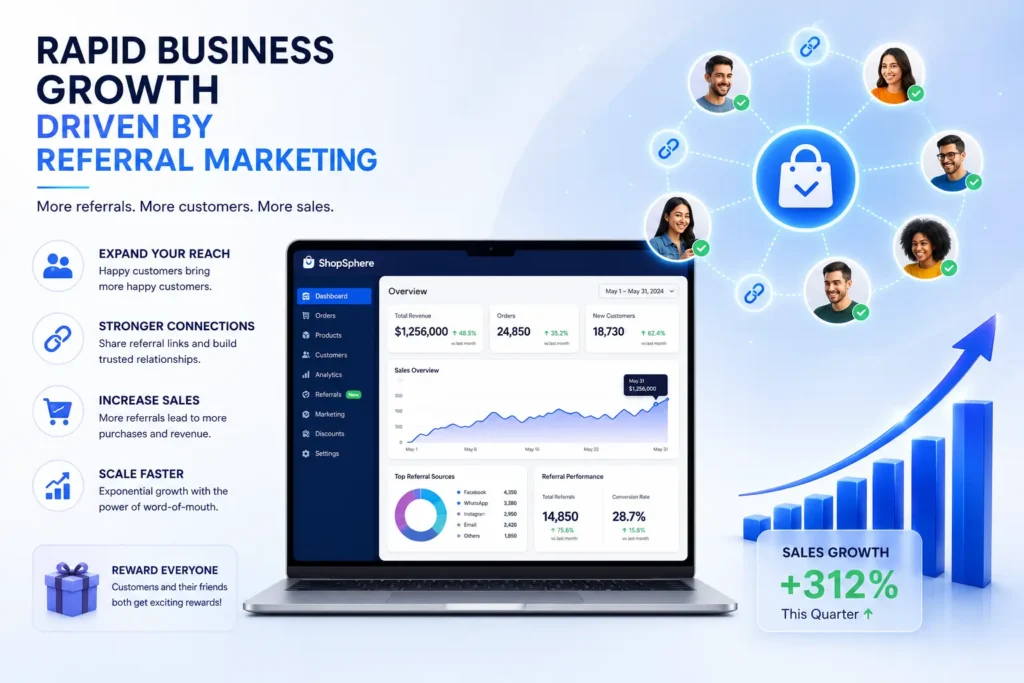
Dropbox is probably the most famous example. They offered extra storage space to users who referred friends. Their user base grew by 3900% in 15 months. They did not spend millions on ads. They gave their existing users something valuable to share.
Uber offered ride credits to both the referrer and the referred friend. This two-sided reward model made it worth sharing for both parties and helped Uber expand into new cities rapidly.
For retail brands in the UAE, the same principle applies. A customer who loves a product wants to share it with their community. You just need to give them a reason and make it easy for them to do so.
Even small UAE-based businesses using web design services in the UAE can successfully grow by rewarding both referrer and new customer.
How to Set Up a Referral Programme for Your Online Store
Setting up a referral programme does not have to be complicated. Here is a simple process to follow:
Choose a referral platform or plugin that works with your e-commerce store. Popular options include Referral Candy, Smile.io, and built-in Shopify referral tools. These make it easy to generate unique links, track referrals, and issue rewards automatically.
Decide on your reward structure. Think about what will motivate your customers. Cash rewards, store credit, free products, or exclusive discounts all work depending on your audience. For fashion and beauty brands in the UAE, exclusive early access can be particularly appealing.
Promote your programme consistently. Add it to your website, emails, packaging inserts, and social media. The more visible your programme is, the more people will use it.
Test and optimise. Track your referral conversion rate. See which reward types perform best. Adjust your messaging based on what works. Referral marketing, like all marketing, improves with data and iteration.
Key Metrics to Track for Referral Link Success
Running a referral programme without tracking results is like driving without a speedometer. You need data to know what is working.
Here are the most important metrics to watch:
Referral conversion rate is the percentage of referred visitors who actually complete a purchase. A healthy rate depends on your industry, but anything above 3 to 5 per cent is a strong signal.
Cost per referral acquisition is how much you are spending in rewards for each new customer gained through referrals. Compare this to your average cost from paid ads to see the real value.
The customer lifetime value of referred customers tends to be higher than average. Track repeat purchases from referred buyers to understand the long-term impact of your programme.
The sharing rate measures how many of your existing customers are actively sharing referral links. If this is low, your programme needs more visibility or a better incentive.
Common Mistakes Retail Brands Make With Referral Programmes
Even well-intentioned referral programmes can fail if they are poorly designed. Here are the most common mistakes to avoid.
Making the reward too small is a frequent problem. If the incentive is not worth the effort of sharing, customers simply will not bother. Test different reward values to find the right balance.
Only rewarding the referrer is another mistake. The best-performing referral programmes reward both the person sharing and the person clicking the link. This gives the referred friend a reason to actually make a purchase.
Not promoting the programme enough is perhaps the biggest missed opportunity. Many brands set up a referral system and then barely mention it. Your customers can only share what they know about. Put your referral programme front and centre.
Complicated redemption processes frustrate users and kill conversions. Rewards should be applied automatically at checkout, not through a long and confusing process.
Referral Links vs Affiliate Links: What Is the Difference
People often confuse referral links with affiliate links. They are similar but not the same.
Referral links are typically shared by existing customers who recommend your brand to friends and family. The relationship is personal and organic. The reward is usually a one-time discount or store credit.
Affiliate links are used by content creators, bloggers, and influencers who promote your products to their audience in exchange for a commission on each sale. The relationship is more formal and commercial.
Both have value. For retail and e-commerce brands looking to grow quickly in a competitive market like the UAE, combining both strategies creates a powerful acquisition engine.
Frequently Asked Questions About Referral Links in E-Commerce
Q: What is a referral link in e-commerce?
A: A referral link is a unique URL that tracks which existing customer sent a new buyer to your store. When a sale happens through that link, the original customer receives a reward such as a discount, credit, or cash.
Q: How do referral programmes increase sales?
A: They turn satisfied customers into active promoters. Since referred customers come with a built-in recommendation from someone they trust, they convert at higher rates and often spend more per order.
Q: Are referral programmes worth it for small online stores?
A: Yes. Even small stores can run effective referral programmes with free or low-cost tools. The return on investment is often significantly better than paid advertising because you only pay when a sale happens.
Q: How do I promote my referral programme in the UAE?
A: Use WhatsApp, Instagram, and email to share your programme. Post-purchase emails and packaging inserts are highly effective. Make the reward clear and the sharing process simple.
Q: What reward works best for a referral programme?
A: Two-sided rewards where both the referrer and the new customer benefit tend to perform best. Discounts on the next purchase, free products, or store credit are all popular and effective options.
Final Thoughts
Referral links are not just a marketing tactic. They are a growth engine. For retail and e-commerce brands in the UAE, they represent one of the most trusted, cost-efficient, and scalable ways to bring in new customers without burning money on ads.
Your existing customers are your most powerful marketing channel. Give them the tools and the reason to spread the word, and they will do the rest.
Qudrat Digital helps retail and e-commerce businesses across the UAE build smarter digital strategies, from referral programmes and customer acquisition to full-scale online growth. If you are ready to turn your happy customers into your best sales team, start building your referral programme today.