Website security is no longer optional, it’s essential for every online business. Whether your site shares content, sells products, or collects customer data, it represents your brand and stays active 24/7, making it constantly exposed to cyber threats. Many believe hackers only target large companies, but small and medium websites are attacked more often due to weaker protection. One breach can lead to financial loss, stolen data, broken trust, and long-term reputation damage. Choosing secure website development service practices from the start helps reduce vulnerability. The good news? Most cyberattacks are preventable with smart security habits, awareness, and timely protection steps.
Why Website Security Should Be Your First Priority
A website holds customer data, business identity, and digital assets. If it gets compromised, the damage spreads far beyond the site itself. Recovering from a hack costs more time, money, and reputation than prevention. Security must be a foundation, not an afterthought. A secure website ensures safety, trust, smooth operations, and long-term business stability.
The Real Cost of Poor Security
Weak security silently drains businesses. It results in financial loss from repairs, legal issues from data breaches, loss of customer trust that takes years to rebuild, and long website downtime that directly impacts sales. The cost of being hacked is always much greater than the investment in staying protected.
Who Is at Risk?
Every website is a target, not just big brands. Hackers often attack smaller websites because they have weaker security and less monitoring. Automated bots scan the internet daily for vulnerabilities. Simply being online makes a website visible, and without security, it becomes an easy entry point for cybercriminals.
Most Common Website Attacks You Should Know
Cyber attacks aim to steal data, damage functionality, manipulate users, or take control of websites. Many attacks run silently for weeks before detection. Understanding how they work is the first step toward prevention. Awareness helps identify vulnerabilities early so website owners can take action before small issues become major disasters.
Database Attacks – SQL Injection
SQL injection happens when hackers insert harmful code into website forms or URLs to access or manipulate databases. This can expose passwords, emails, and customer records. In severe cases, attackers can edit or delete stored data, gaining full database control without permission.
User Targeted Attacks – XSS (Cross-Site Scripting)
XSS attacks inject malicious scripts into a webpage, which then run in a visitor’s browser. These scripts can steal login credentials, track user activity, or redirect users to harmful websites. The website may appear normal, while visitors unknowingly become victims of data theft.
Action Manipulation Attacks – CSRF
CSRF tricks logged-in users into performing unwanted actions like changing passwords or submitting forms. Since the user is already authenticated, the system treats it as legitimate, allowing hackers to manipulate actions without stealing login details directly.
Warning Signs Your Website Might Be Under Attack
Websites often show early signs before serious damage occurs. These warnings are often mistaken as minor glitches, but ignoring them can lead to data theft, malware spread, or long-term damage. Recognizing problems early allows quicker action, reducing impact and restoring security with minimal loss.
Unexpected Drop in Traffic
A sudden traffic drop may mean search engines flagged your site as unsafe. When Google detects malware, phishing, or suspicious activity, it may display warnings or reduce search visibility. This directly affects visitors, engagement, and business growth.
Unknown Files or Admin Accounts
Hackers often upload hidden files or create unauthorized admin accounts to regain access later. These backdoors remain unnoticed while data is stolen or monitored. Any unfamiliar files or new admin users are strong signs of a security breach.
Random Pop-Ups or Redirects
Unexpected pop-ups or automatic redirects to suspicious sites indicate malware infection. These often lead visitors to spam, phishing pages, or harmful downloads. Even if site owners don’t notice quickly, users do, leading to lost trust and reputation damage.
Simple Steps to Secure Your Website Like a Pro
Website security doesn’t need to be complex. With the right habits and tools, even beginners can protect their sites effectively. Always secure logins using strong passwords and two-factor authentication (2FA). Keep your CMS, plugins, and themes updated, as outdated software is a major cause of cyber breaches. Use a web firewall to block malicious traffic before it reaches your website. Schedule automatic backups so your site can be restored instantly if anything goes wrong. Layering these security practices ensures stronger protection and long-term safety.
Security Mistakes Most Website Owners Make
Most websites get hacked not because attackers are experts, but because basic security is ignored. Many site owners assume small sites are safe, reuse weak passwords, or delay updates. These mistakes make websites extremely easy targets for bots and attackers. Negligence, not skill,is often the real reason hacks succeed.
Common Security Mistakes to Avoid
Believing a small website is safe is a major myth. Using weak passwords like “admin123” makes accounts easy to crack. Ignoring plugin or CMS updates leaves security vulnerabilities exposed. These common mistakes give hackers effortless access to your entire website and its data.
Security That Also Builds Customer Trust
A secure website does more than block attacks, it builds confidence. When users feel safe, they browse longer, return more often, and take action without hesitation. Trust grows when safety, transparency, and reliability become part of the user experience.
Professional & Secure Web Standards
A website built with proper web design practices prioritizes security, structure, and long-term performance. Clean coding, secure configurations, and protected systems reduce vulnerabilities. A professionally secured website performs better and creates a reliable experience that users can trust.
Safe Online Stores
A store built by an experienced Shopify developer ensures encrypted payments, fraud protection, secure checkout, and safe data handling. When customers feel secure while shopping, conversions increase, cart abandonment drops, and loyalty improves.
Protected Internal Systems
Secure CRM development protects internal data, customer records, and operational workflows from leaks or unauthorized access. A secure system strengthens company operations and builds stronger trust with customers and stakeholders.
The Value of Trust, Reputation & Security
Trust grows when a website feels safe, fast, and reliable. Users notice when brands protect their data and maintain transparency. Security silently shapes reputation and influences decisions. A trusted website drives higher engagement, better retention, more conversions, stronger loyalty, and long-term business success.
Reputation Matters in Secure Web Development
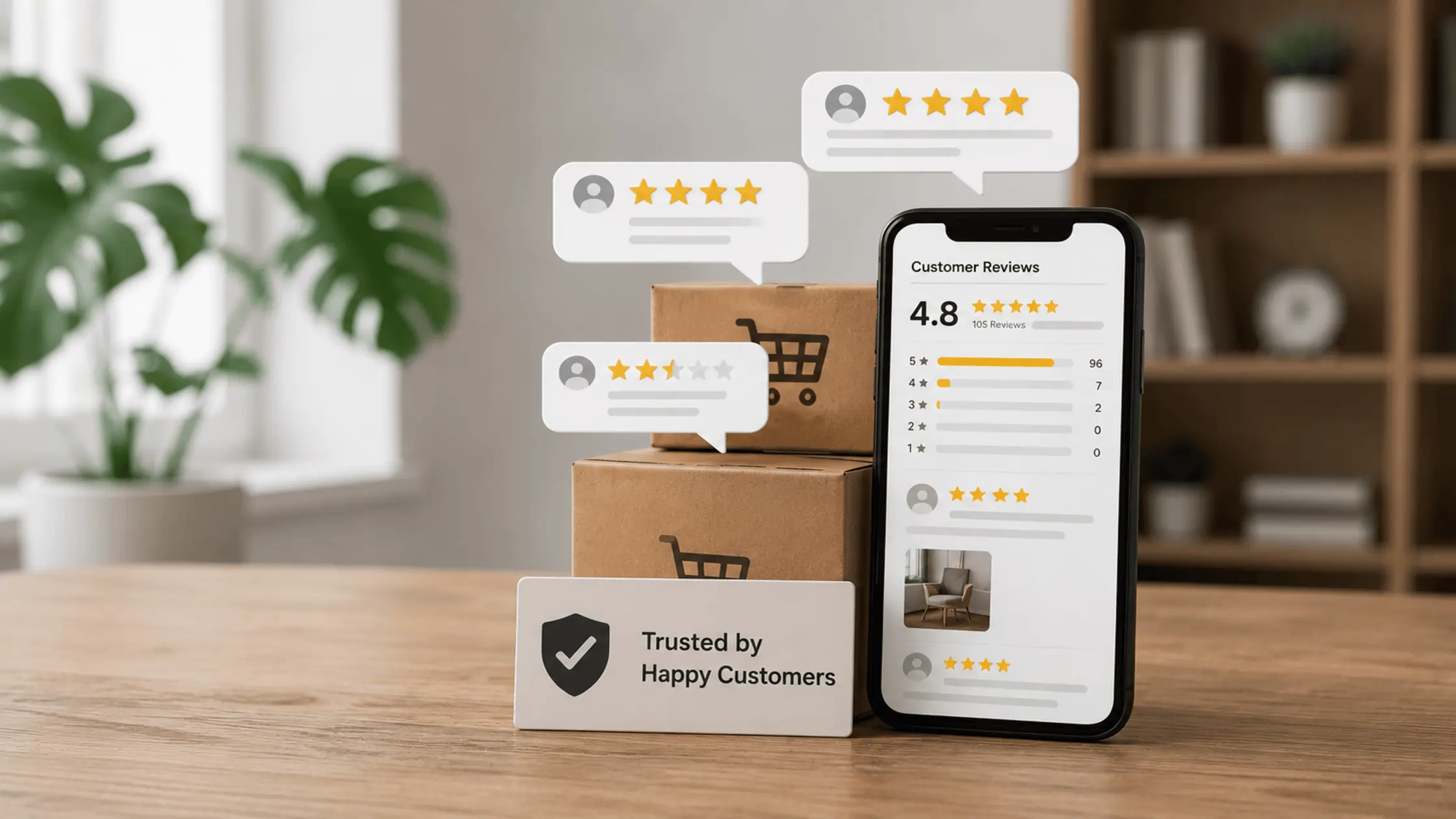
Websites with strong positive reviews earn credibility instantly. A secure site receives fewer complaints and more recommendations. Businesses choose the best website developer in UAE not just for design, but for reliable performance, high security, and long-term stability backed by trust.
FAQs
Q1: Can small websites get hacked?
Yes. Small websites are often targeted because they lack strong security and monitoring.
Q2: Are security plugins enough?
No. Plugins help, but security needs multiple protective layers to be fully effective.
Q3: How do I know my site is hacked?
Signs include traffic drops, unknown files, new admin users, pop-ups, or redirect warnings.
Q4: Is website security expensive?
No. Basic security costs far less than recovering from a cyberattack.
Q5: How often should security checks be done?
Weekly monitoring and regular updates are recommended for strong protection.
Conclusion
Website security is not a one-time task, it’s a continuous commitment. Most attacks are preventable, and you don’t need to be technical to protect your site. Regular updates, strong passwords, backups, firewalls, and monitoring can dramatically strengthen security. Ignoring protection can cost data, reputation, and business growth. Acting early safeguards customers, builds trust, and keeps operations running smoothly. A secure website today means a safer, stronger business tomorrow. For professional web security backed by trust and performance, Qudratx Taqniya stands as a reliable partner.