You set up a Facebook ad. You write a good headline. You pick a nice image. You hit publish. And then… nothing. A few clicks, maybe one or two sales, and a budget that keeps going down with nothing to show for it.
If this sounds familiar, you are not alone. Millions of business owners and digital marketers face this exact problem every single day. Facebook advertising in 2026 has changed a lot. The platform is smarter, the competition is tougher, and the audience is more selective than ever before.
The good news? When done right, Facebook ads can still be one of the most powerful tools for driving online sales, generating quality leads, and building a loyal customer base. You just need to know the right strategies.
This guide breaks down 10 practical, proven tips to help you get more out of every dollar you spend on Facebook ads. Whether you are a small business owner, a freelancer managing client accounts, or an e-commerce brand looking to scale, these tips are written in plain English and backed by real data from successful campaigns managed by leading paid ads services in the UAE.
Getting Attention and Building Awareness
Tip 1: Start With a Clear Audience Strategy Before You Spend a Single Dirham
One of the biggest mistakes advertisers make is jumping straight into creating ads without first defining who they are talking to. Facebook’s targeting system is incredibly powerful, but only if you use it with intention.
In 2026, Meta’s AI-based audience targeting has improved significantly. The platform now uses behavioral signals, interest patterns, and purchase intent data to find the right users. But you still need to give it direction.
Start by building detailed buyer personas. Ask yourself: Who is my ideal customer? What are their interests? What problems are they trying to solve? Where do they live, and what device do they use most?
Use Facebook Audience Insights to study your existing followers. If you have a customer list, upload it and create a Lookalike Audience. This is one of the most effective targeting methods available today. Lookalike audiences allow Facebook to find users who share similar characteristics with your best existing customers, which dramatically improves the chances of conversion.
Also, do not ignore Custom Audiences. Retarget people who visited your website, watched your videos, or engaged with your posts. These warm audiences are already familiar with your brand and are far more likely to buy.
Tip 2: Create Scroll-Stopping Ad Creatives That Match User Intent
You have less than two seconds to grab someone’s attention as they scroll through their feed. Your ad creative is the first thing people notice, so it needs to be bold, relevant, and visually clear.
In 2026, video content continues to dominate Facebook ad performance. Short-form videos between 7 and 15 seconds tend to get the highest engagement rates. Use captions because more than 85 percent of Facebook videos are watched without sound.
For image ads, use bright, high-contrast visuals with minimal text. Facebook’s algorithm has historically penalized ads with too much text on the image, and this rule still applies to users’ emotional responses to cluttered creatives.
Match your creative to the audience’s temperature. For a cold audience at the top of the funnel, use educational or entertaining content that introduces your brand story or product benefit. Hard selling at this stage pushes people away. Awareness content builds trust first.
Tip 3: Write Ad Copy That Talks to the Reader, Not at Them
Your ad copy needs to feel like a conversation, not a sales pitch. People can sense when they are being sold to, and they scroll past immediately.
Good ad copy follows a simple structure: open with a pain point, offer a solution, and end with a clear next step. Avoid jargon. Use short sentences. Write the way your customers actually talk.
For example, instead of writing “Our cutting-edge solution optimizes your workflow efficiency,” try “Tired of spending hours on tasks that should take minutes? Here is how we help.”
Use social proof in your copy wherever possible. Phrases like “Trusted by over 5,000 businesses” or “Rated 4.9 stars by real customers” build immediate credibility. In a world where people are skeptical of online advertising, proof is your most powerful asset.
Building Trust and Driving Consideration
Tip 4: Use the Facebook Pixel and Conversion API Together
If you are running Facebook ads without the Meta Pixel properly installed on your website, you are essentially flying blind. The Pixel tracks what users do after they click your ad, and this data is critical for optimization.
In 2026, browser privacy updates and cookie restrictions have reduced the effectiveness of Pixel tracking alone. This is why Meta now strongly recommends using the Conversions API alongside the Pixel. The Conversions API sends data directly from your server to Meta, bypassing browser limitations and giving you more accurate conversion tracking.
When your tracking is accurate, Facebook’s algorithm can optimize your campaigns much more effectively. It learns who actually converts and finds more people like them. Without accurate data, you are wasting money showing ads to the wrong people.
Set up standard events like ViewContent, AddToCart, InitiateCheckout, and Purchase on your website. These signals tell Facebook exactly where users are dropping off in your sales funnel, so you can create targeted ads to bring them back.
Tip 5: Test Multiple Ad Formats and Let Data Make the Decisions
One of the most common mistakes is running one version of an ad and calling it a day. Effective Facebook advertising requires consistent testing, also known as A/B testing or split testing.
Test one variable at a time. This means you change only the headline, or only the image, or only the call-to-action button while keeping everything else the same. This way, you know exactly what made the difference in performance.
In 2026, Facebook’s Advantage Plus Creative feature automatically tests multiple creative variations and serves the best-performing ones. This uses machine learning to optimize delivery, which can save you significant time while improving results.
Try different ad formats too. Carousel ads work well for e-commerce brands showing multiple products. Collection ads are excellent for mobile users. Lead gen ads remove friction by letting users submit their information without leaving Facebook. Experiment, measure, and double down on what works.
Tip 6: Align Your Landing Page With Your Ad Message
Getting someone to click your ad is only half the battle. What happens after the click is just as important. If your ad promises a 30 percent discount but the landing page shows full-price products, you will lose the sale immediately.
Message match is a crucial concept in digital marketing. The language, offer, and visuals in your ad should be consistent with what users see when they land on your website. Any disconnect creates confusion and distrust, which leads to higher bounce rates and lower conversion rates.
Make sure your landing page loads fast. According to Google research, a one-second delay in mobile page load time can reduce conversions by up to 20 percent. Compress images, reduce redirects, and use a reliable hosting service.
Your landing page should have one clear goal, one strong headline, social proof elements, and a single prominent call to action. Remove navigation menus and distractions that can pull users away from converting.
Converting Interest Into Sales
Tip 7: Use Retargeting Campaigns to Bring Back Warm Leads
Most people do not buy on the first visit. Research shows that it can take anywhere from 5 to 12 touchpoints before a customer makes a purchase decision. Retargeting is how you stay present throughout that decision-making journey.
Create specific retargeting audiences based on behavior. Target people who visited your product pages but did not add to cart. Show them an ad with a testimonial or a benefit reminder. Target people who added to the cart but did not check out. Show them an ad with a limited-time offer or a free shipping incentive.
Retargeting audiences are smaller but far more valuable than cold audiences. They already know your brand, they showed interest, and they just need a gentle nudge to complete the purchase. Your cost per acquisition from retargeting campaigns is almost always lower than from cold traffic.
Tip 8: Leverage Facebook’s Advantage Plus Shopping Campaigns
For e-commerce businesses, Advantage Plus Shopping Campaigns (ASC) introduced by Meta have become a game-changer. This campaign type uses full automation to find the best combination of audience, creative, and placement to drive purchases.
In 2026, Meta has further refined ASC with improved AI that adjusts bids in real time based on conversion probability. Many advertisers report a significant drop in cost per purchase when switching to ASC from manual campaign structures.
To get the best results from ASC, give the algorithm as much creative variety as possible. Upload multiple images, videos, headlines, and ad texts. Let the system mix and match to find winning combinations. The more creative inputs you provide, the more the AI has to work with.
Combine ASC with a strong retargeting layer. While ASC handles prospecting efficiently, manual retargeting campaigns ensure your warm audiences stay engaged and convert. Many businesses also stay updated with the latest Meta advertising trends, campaign strategies, and optimisation techniques through industry resources and official brand communities on Facebook. Following trusted marketing pages like QudratDigital Facebook Page can help advertisers discover new ad formats, creative ideas, and performance tips that improve campaign results over time.
Tip 9: Optimize Your Bidding Strategy Based on Campaign Goals
Your bidding strategy directly affects how Facebook spends your budget and who sees your ads. Choosing the wrong bidding approach is one of the fastest ways to burn money without results.
For awareness campaigns, use cost per thousand impressions (CPM). For traffic campaigns, use cost per click (CPC). For conversion campaigns, use cost per action (CPA) or target return on ad spend (ROAS).
In 2026, Advantage Plus Bidding has become more reliable for many advertisers. It allows Meta to automatically adjust bids to get the most conversions within your budget. However, if you have specific cost targets, manual CPA bidding gives you more control.
Do not change your bids or budget too frequently. Facebook’s algorithm needs a learning phase of approximately 50 conversion events per ad set within a 7-day window before it starts performing optimally. Constant changes reset the learning phase and hurt performance.
Tip 10: Track, Analyze, and Continuously Improve Your Campaigns
Data without action is just noise. The most successful Facebook advertisers are those who review their campaign data regularly and make informed decisions based on the numbers.
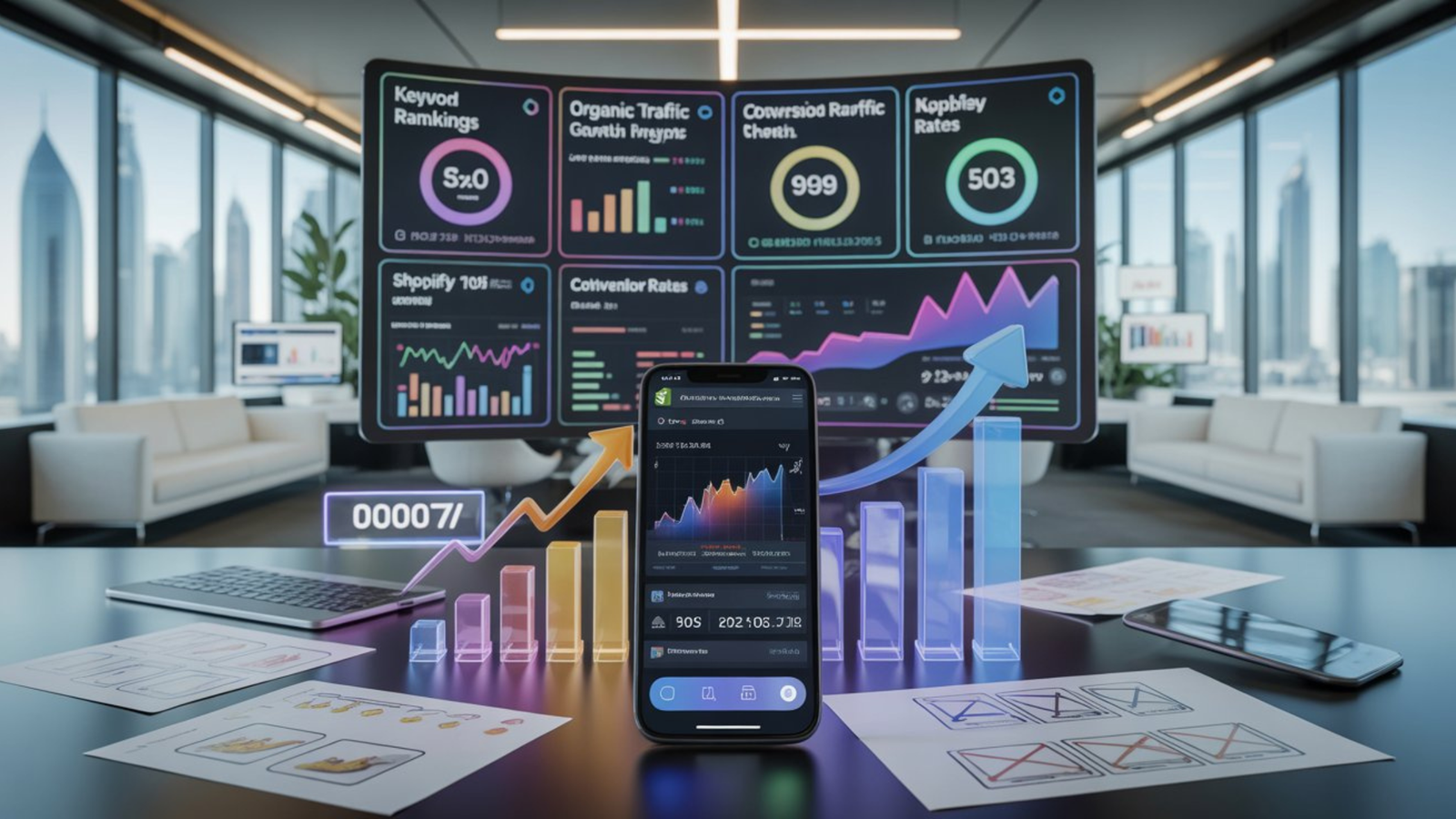
Monitor key metrics like click-through rate (CTR), cost per click (CPC), conversion rate, cost per acquisition (CPA), and return on ad spend (ROAS). Use Meta Ads Manager’s breakdown feature to analyze performance by age, gender, placement, and device.
Set up a weekly reporting routine. Compare performance week over week. Pause ad sets that consistently underperform after the learning phase. Scale budgets gradually, no more than 20 percent at a time, for campaigns that are hitting your targets.
Use Facebook’s Attribution Settings to understand the true impact of your ads across the customer journey. Multi-touch attribution gives you a clearer picture of which campaigns are influencing sales, even if they did not get the final click.
Frequently Asked Questions
Q: How much budget do I need to run Facebook ads effectively?
A: There is no fixed amount, but most businesses should start with around 1,100 to 1,850 AED per month for proper audience testing and campaign optimization.
Q: How long should I run a Facebook ad before judging its performance?
A: Allow at least 7 to 14 days and aim for at least 50 conversion events before concluding. Stopping ads too early kills the learning phase.
Q: What is the best Facebook ad format for e-commerce in 2026?
A: Video ads and Advantage Plus Shopping Campaigns consistently deliver strong results for e-commerce businesses. Carousel ads are also highly effective for showcasing multiple products.
Q: Why are my Facebook ads getting clicks but no sales?
A: This usually points to a problem with your landing page, offer, or audience targeting. Review your message match, page load speed, and whether your audience is truly ready to buy.
Q: Is Facebook advertising still worth it in 2026?
A: Yes. With over 3 billion monthly active users and advanced AI targeting, Facebook remains one of the highest-ROI advertising platforms available for businesses of all sizes.
Final Thoughts
Facebook advertising in 2026 is not about spending more. It is about spending smarter. From building the right audience strategy to testing creatives, tracking conversions accurately, and letting AI-powered tools do the heavy lifting, every tip in this guide moves you closer to ads that actually drive revenue.
Start with one or two changes, measure the results, and build from there. Consistency and data-driven decision making are what separate profitable advertisers from those who keep burning budgets without results.If you are a business in the UAE and want expert guidance on building Facebook ad strategies that convert, Qudrat Digital works with brands across the UAE, including Dubai, Abu Dhabi, Sharjah, and Ajman, to help them grow their online sales through performance-driven digital marketing. Feel free to reach out and explore what better results could look like for your business.